

Inspiration:
I have always admired the Altec “Voice of the Theater” since first becoming interested in horn speakers. The design is simple, practical, imposing, and almost intentionally brutalist. It clearly shows its intent: to deliver a wall of sound to your face.
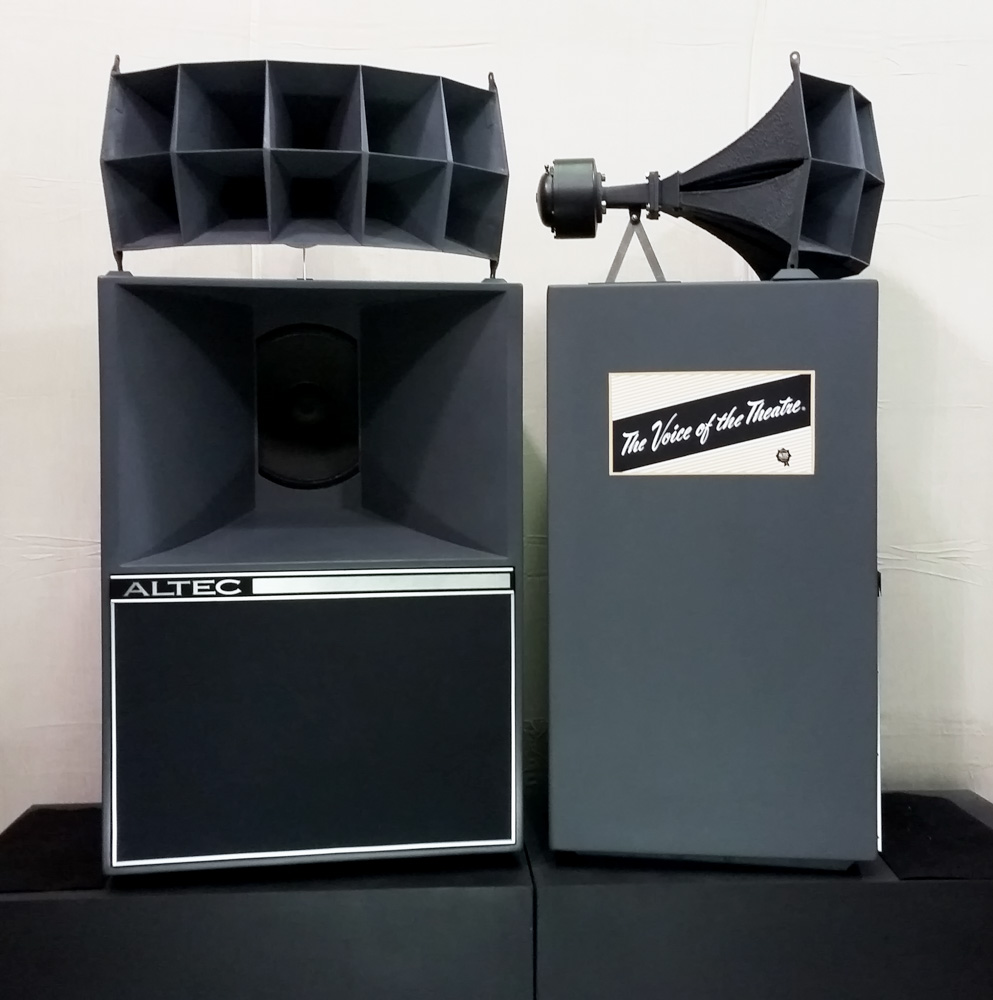
The image above shows the Altec A5 with two separate speaker unit. The top half is the high frequency unit (1005B multicellular horn) and the bottom half is the low frequency unit.
Buying and owning one seemed highly impractical.
Where would I even put something this big? Wait, how much does it weigh?
Hmm, maybe I can buy the top half and build a smaller bass horn?
I mean, the top half doesn’t look that complicated. Maybe, I can just build one?
Ya! Let’s just build one!
Rational reasoning falls apart when one tries looking for a deeper meaning in these projects. I guess this will still be a good engineering exercise to learn more about classic exponential expansion and get into the really nitty-gritty of horn building.
Why Altec 1005B?
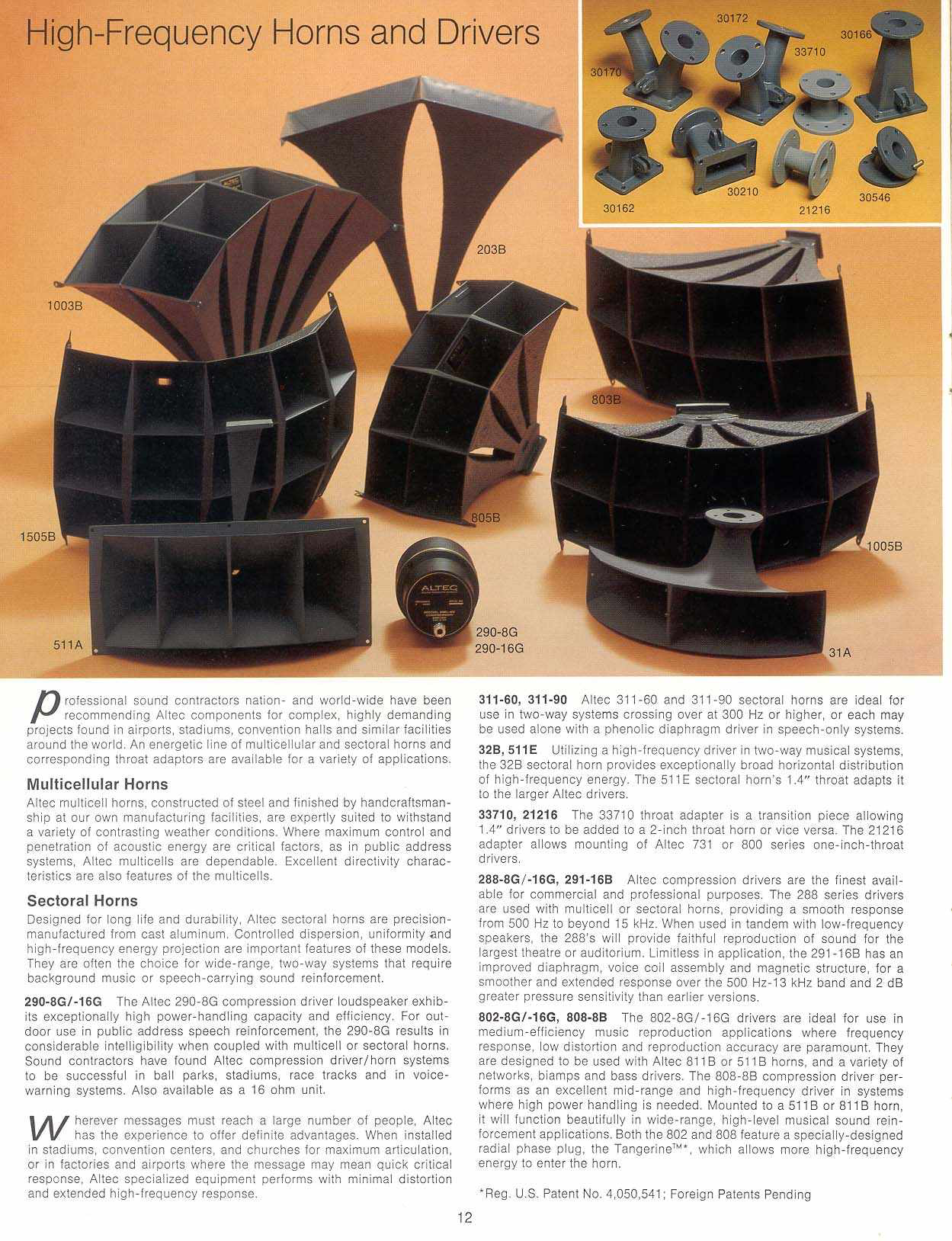
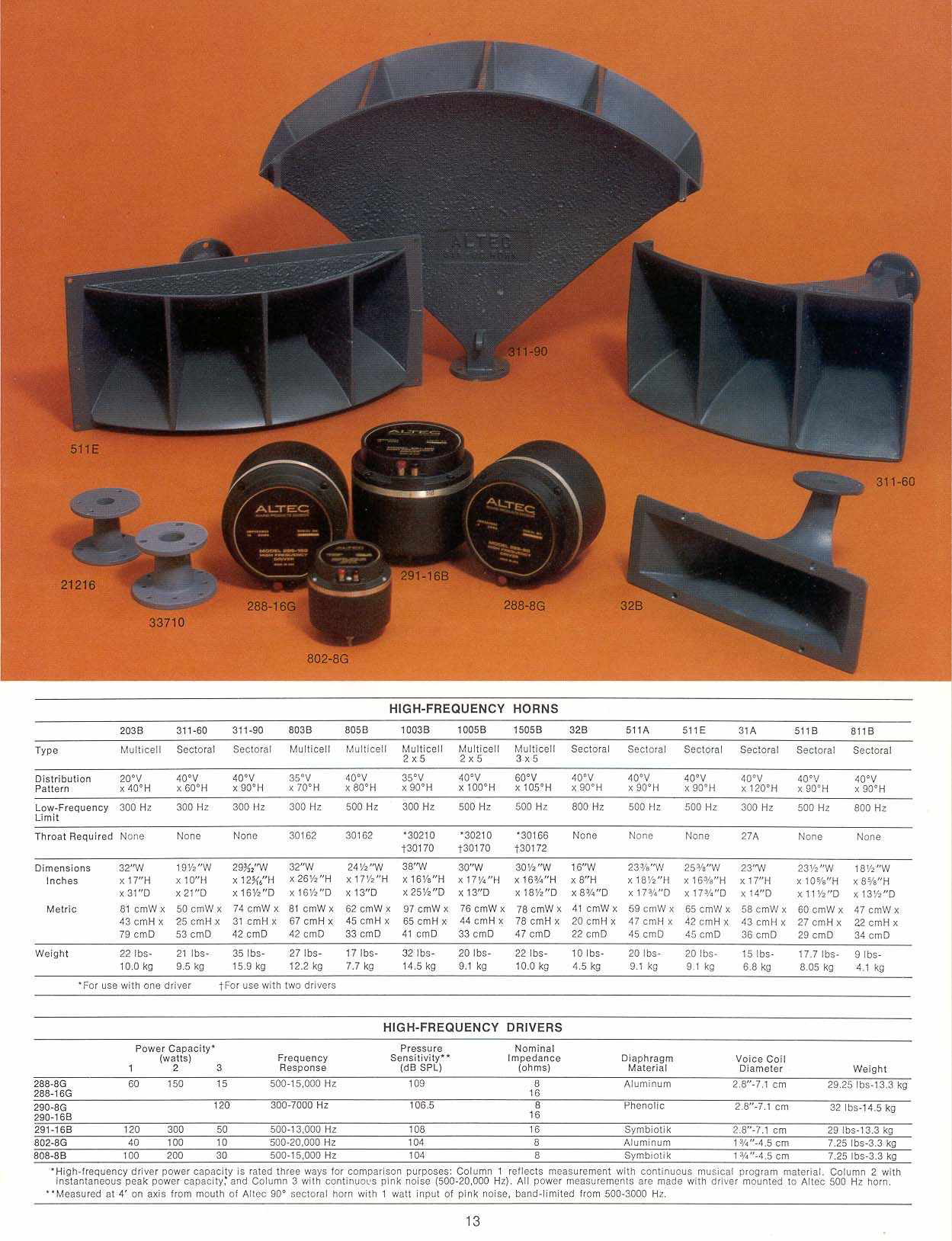
Images from (https://www.lansingheritage.org)
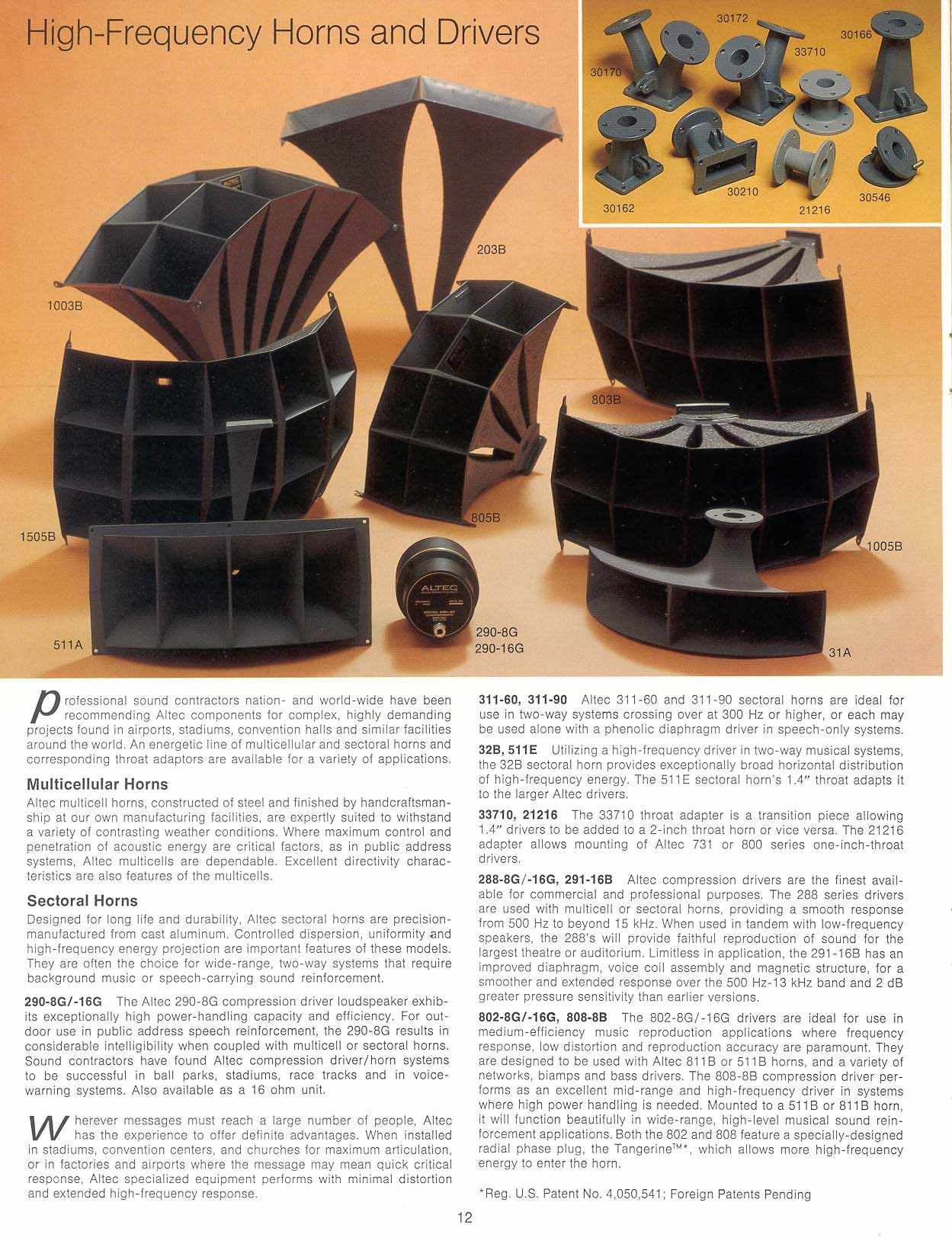
The 1005B was chosen because it was the most “moderately” sized of the Altec Multi-cell catalog. The naming convention is as follows:
300Hz Cut-Off:
203B = 2 cells
803B = 8 cells
1003B = 10 cells
500Hz Cut-Off:
805B = 8 cells
1005B = 10 cells
1505B = 15 cells
The 500Hz cut-off horns are actually smaller than the 300Hz series due to the shorter wavelength at cut-off. Examining the brochure above, all 500Hz single cells “appear” to be the same dimensions. This doesn’t appear to apply to the 300Hz series. Especially not for the 203B which is significantly larger than the other two models.
One of my primary limitation is the size of my 3D printer which is the Bambu Lab X1C. Rough calculations show that a single 300Hz cell mouth won’t fit on the print bed. The 500Hz cell will fit but need to be divided length-wise to realize the full horn. Given that all 500Hz cells appear to the be same size, I was hopefully that I could adapt the design to the other configurations later if desired.
Why 3D Print?
I wanted to use 3D printing because I wanted a design that is easy to iterate and easy to build without metalworking tools. 3D printing also offers great flexibility in geometries / materials that are difficult to manufacture otherwise. The design could also be manufactured on-demand without significant investment in tooling and setup.
The foreseeable challenge with 3D printing is matching the acoustic performance of the original metal horn. Plastic is inherently not as stiff and 3D printing often uses partial infill which may be more transmissive. Damping / resonance performance will be critical in the thin regions. Reliability is also a concern with exposure to sunlight / temperature in hot environments. Some plastics (PLA) may not be suitable for outdoor use.
Goals:
- Replicate the Altec 1005B Multicellular Horn
- Match (or exceed) acoustic performance of original metal horn
- Use 3D printing as primary manufacturing method
- Easy to assembly without specialized tools, glue, or welding
Existing Work / References:
I cannot claim to be the first to attempt this. There is a great thread “The Construction of a Multicell Horn” on diyaudio.com with contributions from various member building similar designs with wood and 3D printing.
I also cannot claim to be an expert in acoustic sciences as some of the math far exceed my level. I am currently studying “High Quality Horn Loudspeaker Systems” which has been an incredible reference for all things horn related.
The original patent for the multicellular horn by E.C. Wente is also worth a read at “Acoustic Devices” (US Patent#1992268)
Leave a Reply